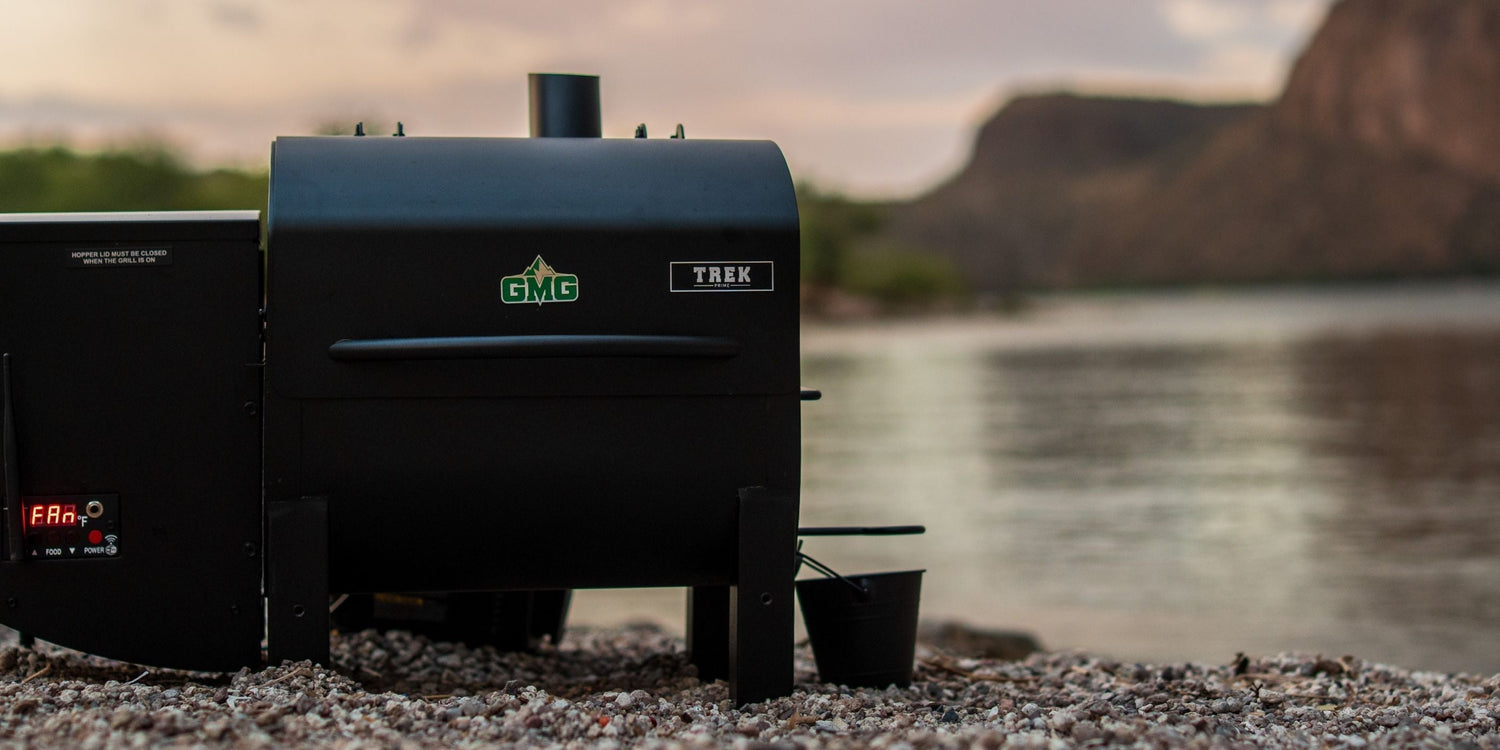
If you want reliable, repeatable barbecue without babysitting a fire all day, a pellet smoker is pretty much made for you. Set your temperature, let the auger and controller manage the fire, and enjoy food with genuine wood flavour. Beginners love the simplicity. Experienced cooks love the precision and freedom it gives them.
This guide explains why pellet smokers shine, where they have limits, how to choose the right model, and how to nail your first cook.
How Pellet Smokers Work
A pellet smoker combines compressed hardwood pellets with a digital controller to manage heat automatically. You pour pellets into a hopper. An electric auger meters them into a firepot. An ignition rod lights them. A fan manages airflow. The controller constantly adjusts fuel and air to hold your set temperature — for hours, without you touching a thing.
Two things to keep in mind:
- You need mains power for the auger, fan and controller. No power, no cook.
- Pellets are both fuel and flavour, so quality and dry storage matter.
Why Pellet Smokers Are the Easiest Path to Consistent BBQ
| Benefit | What It Means on the Day |
|---|---|
| Rock-solid temp control | Digital controllers hold your set point with minimal swings — predictable doneness, juicier results, fewer surprises on big cuts. |
| True set-and-forget | Long cooks run 8–12 hours without fiddling. Many models have app control so you can monitor from the couch. |
| Versatile cooking | Low-and-slow smoking, roasting, baking and weeknight grilling — all on one unit. |
| Clean wood flavour | Pellets burn cleanly from real hardwood with no petroleum flavours. Switch wood types to change your flavour profile easily. |
| Easy cleanup | Very little ash compared to charcoal. Most models have simple ash clean-out systems built in. |
The Honest Trade-offs
Pellet smokers are excellent, but they're not perfect. Here's what to know before you buy.
| Trade-off | What It Means for You |
|---|---|
| Needs electricity | No power means no cook. For camping or remote trips, charcoal or gas is simpler. |
| Heat-up time | Allow 10–15 minutes to light and preheat. Faster than charcoal, but slower than gas. |
| Searing has limits | Most units top out around 230–260°C. A dedicated high-heat grill still wins for hard char. |
| Ongoing pellet cost | Quality hardwood pellets are an ongoing expense. Store them dry to avoid waste and auger jams. |
| Not very portable | Hoppers, augers and electronics make pellet grills bulkier than compact charcoal or gas BBQs. |
| Milder smoke profile | Clean and balanced — great for most cooks. For more punch, cook at lower temps early on or choose stronger woods like hickory or mesquite. |
| Mechanical parts | Augers, igniters and fans are wear parts. Keep things clean and dry, and replace components as needed. |
Choosing the Right Pellet Smoker
| What to Consider | What to Look For |
|---|---|
| Size and capacity | Whole briskets and multiple racks of ribs need more grate area and headroom. Measure your space first. |
| Build quality | Thicker steel and tight seals resist wind and cold snaps, giving you steadier temps and faster heat recovery. |
| Controller precision | A reliable, accurate controller is non-negotiable. For pizza or crispy skin, look for higher max temps and strong airflow. |
| Features | Easy ash clean-out, tight gaskets, app connectivity, multi-probe support, and side shelves for tools and pellets. |
Budget Tiers at a Glance
| Tier | Best For | What to Expect |
|---|---|---|
| Entry level | Occasional weekend cooks, first-time smokers | More temp swing, lighter construction |
| Mid range | Regular home BBQers | Tighter control, stronger build, better high-temp performance |
| Premium | Serious hobbyists, frequent entertainers | Heavy-gauge steel, rock-solid precision, multi-rack capacity, long-term durability |
Browse the full range of pellet smokers to find the right fit for your space and cooking goals.
Wood Pellets 101: Flavour Made Simple
Pellets are both your fuel and your flavour. Here's a quick reference for choosing the right wood.
| Wood | Smoke Character | Best With |
|---|---|---|
| Hickory | Bold, classic BBQ | Beef, pork shoulder |
| Mesquite | Strong, earthy | Red meat, robust rubs |
| Apple | Mild, slightly sweet | Chicken, pork |
| Cherry | Subtle, fruity sweetness | Poultry, pork |
| Maple | Gentle, lightly sweet | Meats and vegetables |
Start with fruit woods for poultry and pork, and step up to hickory or mesquite for brisket and steaks.
Your First Pellet Smoker Cook: Step-by-Step
- Assemble and season. Level the smoker on a stable surface. Run a seasoning cycle to burn off residues before your first cook — follow your manual's heat stages.
- Preheat. Close the lid and allow 10–15 minutes to reach your target temp. For more smoke, start lower for the first hour then increase.
- Load the hopper. Choose a pellet that suits your meat. Keep pellets dry and sealed between cooks.
- Prep your meat. Trim, rub and let thicker cuts take the chill off before going on. Salt, pepper, garlic and paprika is a great all-purpose start.
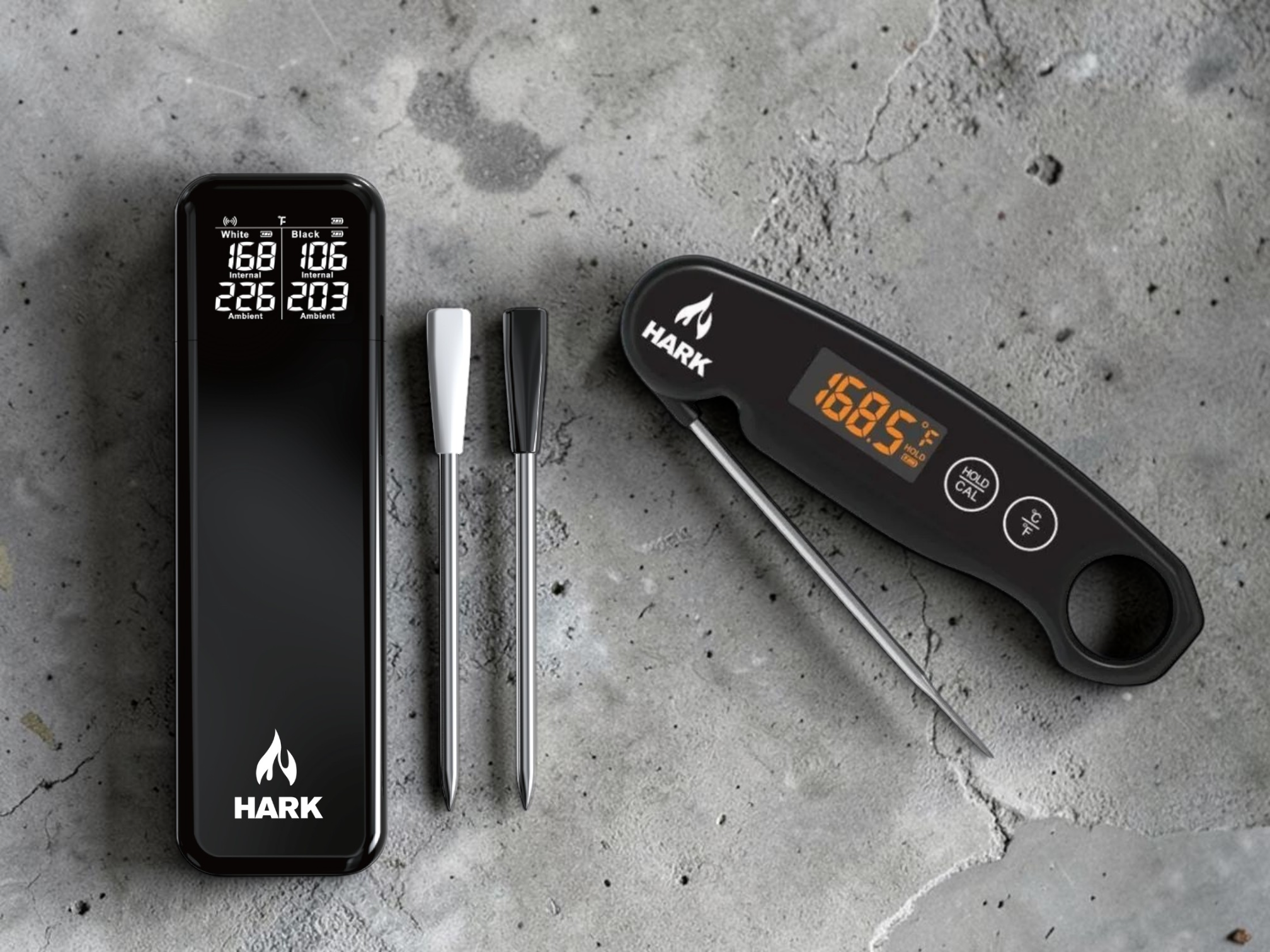
- Cook to temperature. Use a wireless meat thermometer — cook to internal temp, not time. Set an alert and step away.
- Keep the lid closed. Every peek dumps heat and smoke. Open only to baste, wrap or check bark.
- Check pellet levels. Most hoppers run for hours, but long cooks like brisket may need a top-up.
- Rest before slicing. Wrap and rest in an esky for big cuts — it lets juices redistribute for maximum tenderness.
- Clean up. Empty ash, scrape grates and wipe down when cool. A clean pit runs more reliably.
Pellet Smokers vs Gas and Charcoal
| Factor | Pellet Smokers | Gas BBQs | Charcoal / Kamado |
|---|---|---|---|
| Consistency | Excellent — digitally controlled | Good once heated | Variable — skill dependent |
| Flavour | Clean hardwood smoke | Limited smoke character | Classic charcoal and wood |
| Speed to cook | Medium (10–15 min preheat) | Fast | Slow to light, then steady |
| Searing | Moderate to good | Good to very good | Excellent at high temps |
| Cleanup | Low ash, tidy | Low mess | More ash and cleanup |
| Learning curve | Easiest path to great results | Easy | Steeper, more hands-on |
Bottom line: for set-and-forget consistency with real wood flavour, pellet smokers are hard to beat. If blazing-hot searing is your priority, consider pairing a pellet unit with a small charcoal grill for the best of both worlds.
Quick Troubleshooting Tips
| Issue | Fix |
|---|---|
| Auger jams | Store pellets sealed and off the ground. Damp pellets are the main cause. |
| Temp seems off | Verify pit temps with an independent probe thermometer. |
| Temp swings in wind or cold | Shield from wind where possible. Thicker steel models handle weather better. |
| Inconsistent burn | Empty ash every few cooks and vacuum the firepot. Clear airflow means steadier temps. |
| Poor ignition | Igniters are wear parts — replace when due. Check for damp pellets in the firepot too. |
Are Pellet Smokers Worth It?
If you value convenience, steady temperatures and stress-free cooking, yes. Pellet smokers are the easiest way to turn out consistent BBQ — brisket, pork shoulder, ribs, chicken, even pizza. Know the trade-offs, pick the right tier for how often you cook, and you'll enjoy repeatable results every weekend.
Get Consistent BBQ Results Every Time
Ready to choose a model or want help matching a pellet smoker to your backyard and cooking style? The team at Hark BBQ is here to help. Get in touch and we'll help you lock in consistent, delicious barbecue at home.